
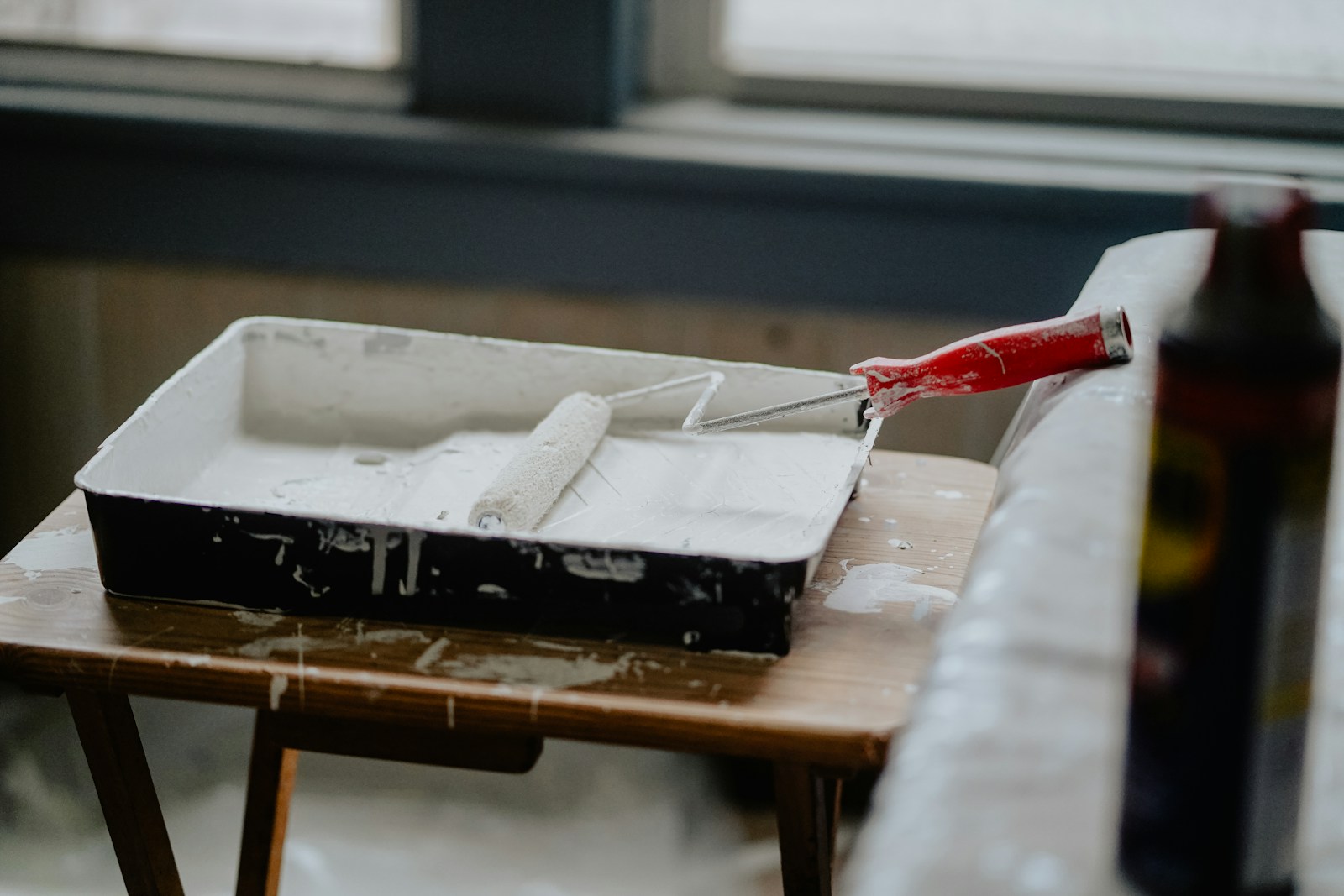
As DIY projects continue to grow in popularity, more and more amateur DIYers are diving into home improvement tasks. Whether you’re tackling a small job or a larger project, these tips will help you navigate common pitfalls and set you up for success.
Preparation is everything when it comes to DIY. The more detailed your plan, the smoother your project will go. Start by outlining every aspect of the task—financial, emotional, and logistical.
Before you lift a tool, walk through each step of the project. Create a checklist of the materials and tools you’ll need, and research the techniques required. For example, if you’re swapping out door hinges, spend some time familiarising yourself with the process of removing the old hinges and installing the new ones. The more prepared you are, the fewer surprises you’ll face.
Believing in yourself is crucial, but there’s a fine line between confidence and overconfidence. While it’s great to be motivated, it’s important to recognise your limitations.
Confidence means trusting yourself to complete tasks like assembling furniture or painting a room. Overconfidence, however, might lead you to believe you can tackle complex projects like building a garden shed from scratch without any prior experience. Enthusiasm is great, but knowing when to call in a professional—especially for jobs involving plumbing or electrical work—can save you a lot of headaches (and potentially dangerous situations).
The allure of DIY often comes from the promise of saving money, but be careful where you cut costs. While it’s smart to shop around for affordable materials, like door handles or bathroom fixtures, skimping on tools can backfire.
While it might be tempting to make do with makeshift tools, investing in the right equipment is crucial for both the quality of your work and your safety. Sure, you could use a shoe or frying pan to hammer in a nail in a pinch, but for your project to succeed, proper tools are essential. Spend a little extra on the right tools, and you’ll thank yourself in the long run.
Whether you’re a seasoned DIYer or just starting out, safety should always be your top priority. It’s easy to think that if you’re only doing small tasks on weekends, safety gear isn’t necessary. However, accidents can happen at any skill level, and safety precautions apply to everyone.
Make sure you have essential protective gear like safety glasses, helmets, and dust masks. No matter the size of the project, treating safety seriously will help ensure you enjoy your DIY work without unnecessary risks.
By keeping these tips in mind, you’ll be better prepared for your next DIY project in your home, avoid common mistakes, and create a safe, efficient, and enjoyable experience.